A visual journey through overlooked lives, enduring diplomacy, scholarship, law, public service, and the shared values that continue to shape the United States.
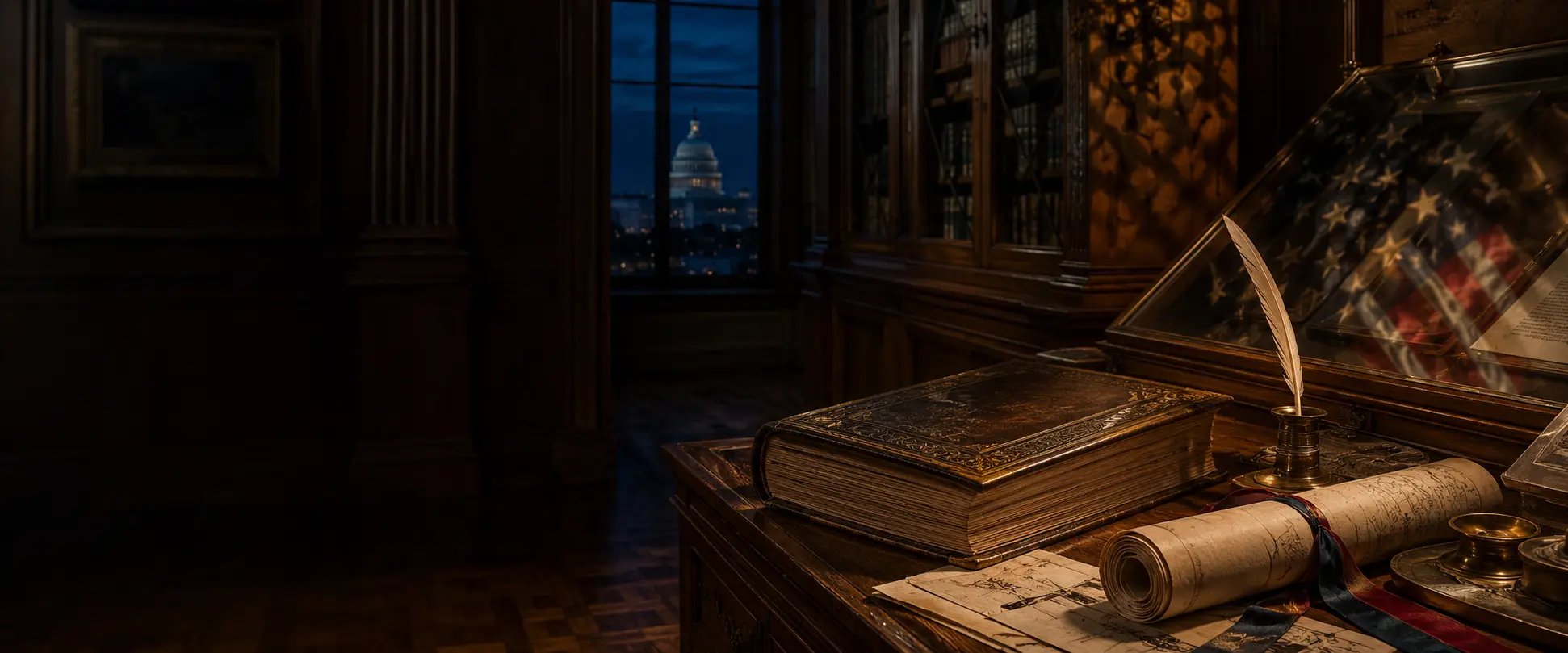
A symbolic editorial composition inspired by American archives and the long history of Muslim–American encounter.
A Story Restored
The story does not begin with a recent headline.
Muslims have been present in the American experience across centuries—sometimes visible in diplomacy and public institutions, sometimes preserved only in personal writings, family memory, and archival fragments.
To understand that history is to see a fuller America: a nation shaped by many peoples, connected to the wider world from its earliest years, and strengthened whenever faith is translated into knowledge, courage, enterprise, and service.
Seven verified chaptersOne continuing American story
Archival interpretation
Chapter I · 1500s–1800s
Before the republic had found its voice, Muslim lives were already part of this land.
Muslim men and women were among the Africans forced across the Atlantic through the slave trade. Some carried deep Qur'anic learning, Arabic literacy, commercial knowledge, and memories of sophisticated societies. Their surviving writings challenge the idea that Islam arrived in America only through modern immigration.
Their record is not simply a story of presence. It is a story of faith sustained under enslavement, intellect preserved against erasure, and human dignity defended in conditions designed to destroy it.
Two moments from the founding era reveal that America's engagement with Islam and the Muslim world belongs within the nation's earliest intellectual and diplomatic history.
1765
Jefferson's Qur'an
A young law student looked beyond familiar borders.
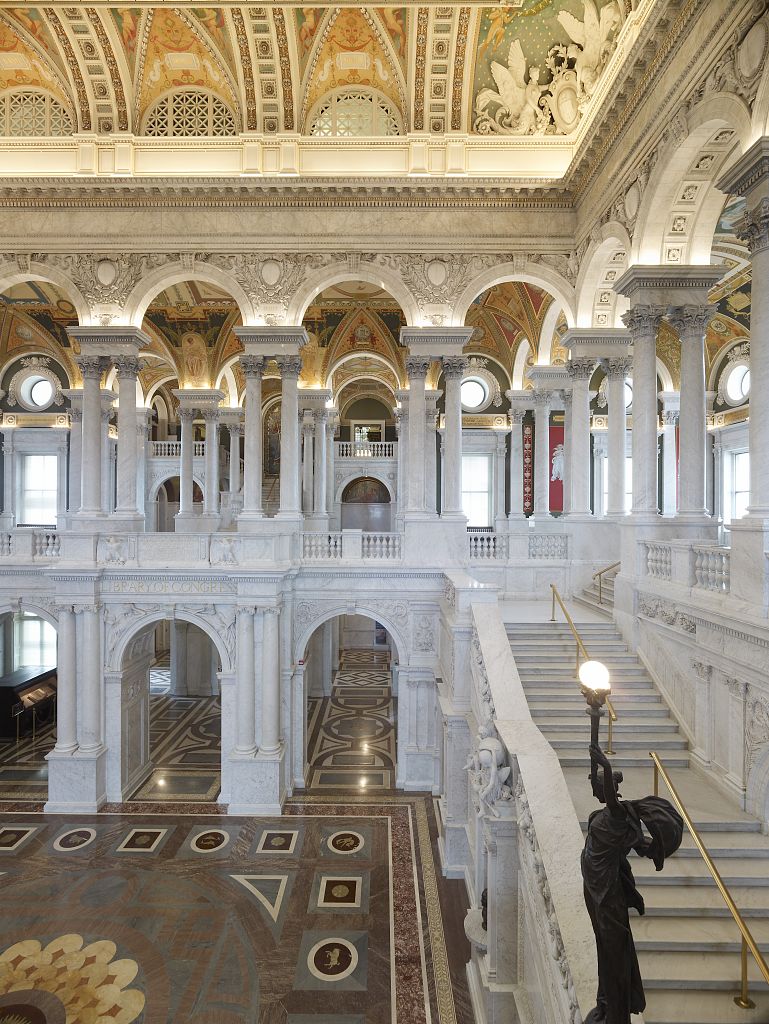
Thomas Jefferson purchased George Sale's English translation of the Qur'an while studying law. The two-volume work later entered the Library of Congress with Jefferson's personal library—a tangible record of early American inquiry into faith, law, and the wider world.
One of America's oldest friendships began in the Muslim world.
Morocco publicly acknowledged American vessels in 1777 and is described by U.S. diplomatic history as the first country to recognize the United States. The Treaty of Peace and Friendship, sealed in 1786, formalized an enduring relationship between the young republic and a Muslim nation.
New communities joined a story that had already begun.
Muslim sailors, laborers, merchants, homesteaders, and immigrants added new chapters to American life. Their experiences joined the longer history of African Muslims already present in the country, creating communities that carried faith into work, family, enterprise, and neighborhood life.
The U.S. Supreme Court courtroom frieze places the Prophet Muhammad within a procession of historic lawgivers representing many civilizations. The work recognizes his historical role in the development of law.
Historical clarity
The frieze is an artistic history of law. It does not state that American law is governed by Islamic law, and Muslims of America does not present it that way.
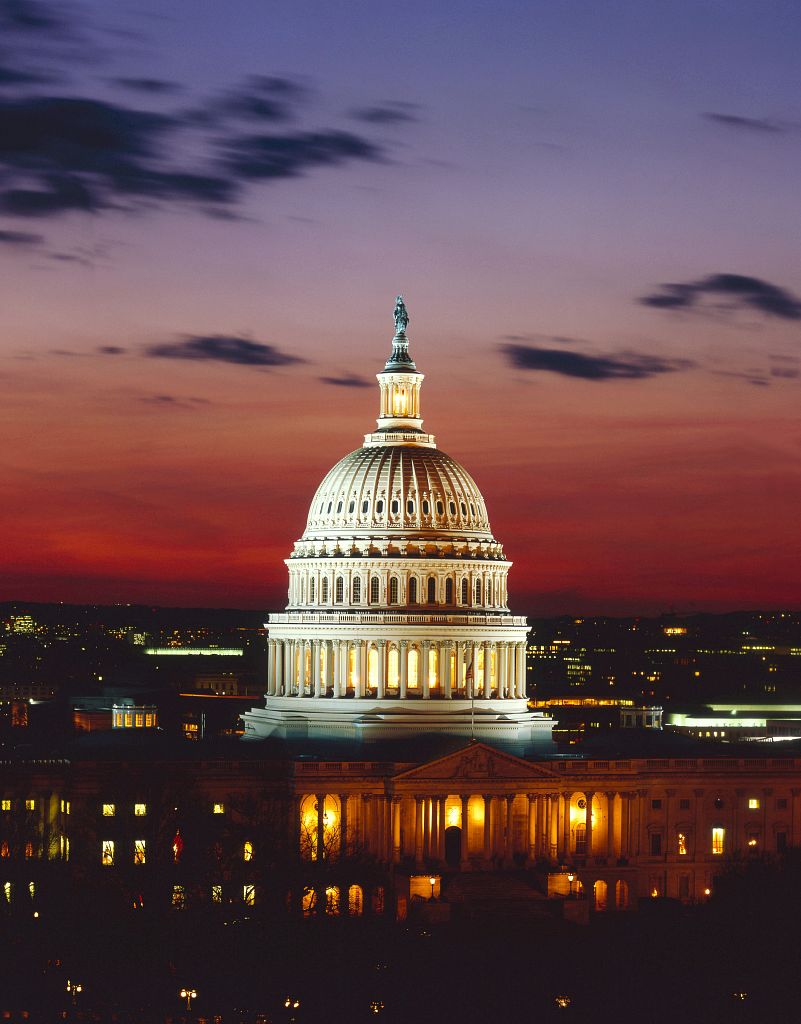
In 2007, the Library of Congress lent Jefferson's Qur'an for the ceremonial swearing-in of Representative Keith Ellison, the first Muslim elected to Congress. An object from America's founding era entered a new American civic moment.
Today, American Muslims serve as physicians, educators, entrepreneurs, engineers, artists, journalists, public servants, members of the Armed Forces, and neighborhood leaders. The modern story is not defined by distance from American life, but by contribution to it.
Empower people and communities through leadership, education, economic opportunity, civic participation, and service.
We build bridges, strengthen communities, and prepare a new generation of American Muslim leaders to serve with confidence, integrity, and national purpose.
Our Vision
An America where Muslim leadership is recognized as an enduring part of the nation's strength.
We envision American Muslims advancing as public servants, entrepreneurs, innovators, educators, artists, institution builders, and trusted partners in the country's future.
Bound by Shared Values
Faith expressed through public good.
01
Liberty
Freedom of belief, expression, conscience, and civic participation.
02
Justice
Dignity, fairness, responsibility, and equal opportunity for all.
03
Service
Faith made visible through generosity, care, and useful action.
04
Community
Relationships that help families, institutions, and neighborhoods thrive.
05
Partnership
Working across differences for a more peaceful and prosperous America.
The Next Chapter
Preserve the history. Expand the opportunity. Lead the future.
Meet the leaders carrying this American story forward and the priorities shaping Muslims of America's national work.