
Nankana Sahib
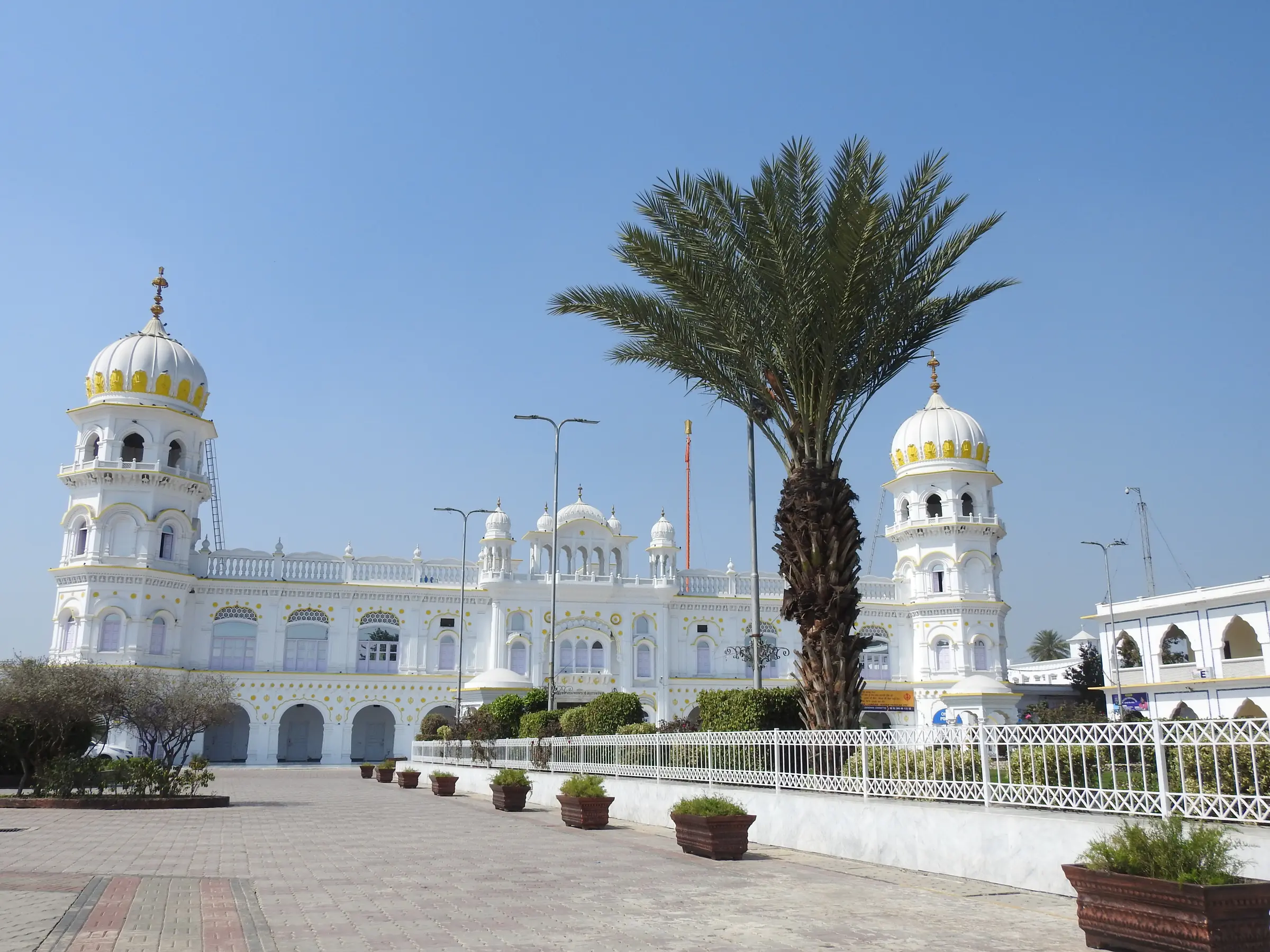
Guru Nanak was born at Rai Bhoi Ki Talwandi—today Nankana Sahib in Punjab, Pakistan. For Sikhs across the world, this land is not distant geography; it is the beginning of a sacred story.
Sikhi · Sacred Punjab · Shared Humanity
A respectful journey through Sikh faith, Muslim companionship, the sacred geography of Pakistan, the wounds of Partition, and the people who continue to choose brotherhood.
Understanding Sikhi
Sikhi emerged in Punjab with Guru Nanak and developed through the ten Sikh Gurus. Sikhs affirm one divine reality, the equality and dignity of human beings, the discipline of remembrance, honest work, generosity, and service. The Guru Granth Sahib is the eternal Guru and living spiritual authority of the Sikh community.
Interfaith respect begins with accuracy. Sikhi is not a blend of Islam and Hinduism, and it should not be reduced to a bridge between larger religions. It is a complete and distinct path. Yet its history unfolded in a Punjab where Muslims, Hindus, Sufis, artisans, farmers, rulers, poets, and travelers encountered one another constantly. Those encounters left a rich record of companionship, argument, courage, protection, language, music, and shared devotion.
For Muslims of America, learning this history is not an exercise in claiming Sikh tradition. It is an act of neighborly respect—and a way to understand why Sikh sacred sites in Pakistan, Muslim figures in Sikh memory, and modern Sikh–Muslim friendship carry such emotional power.
The First Human Bridge
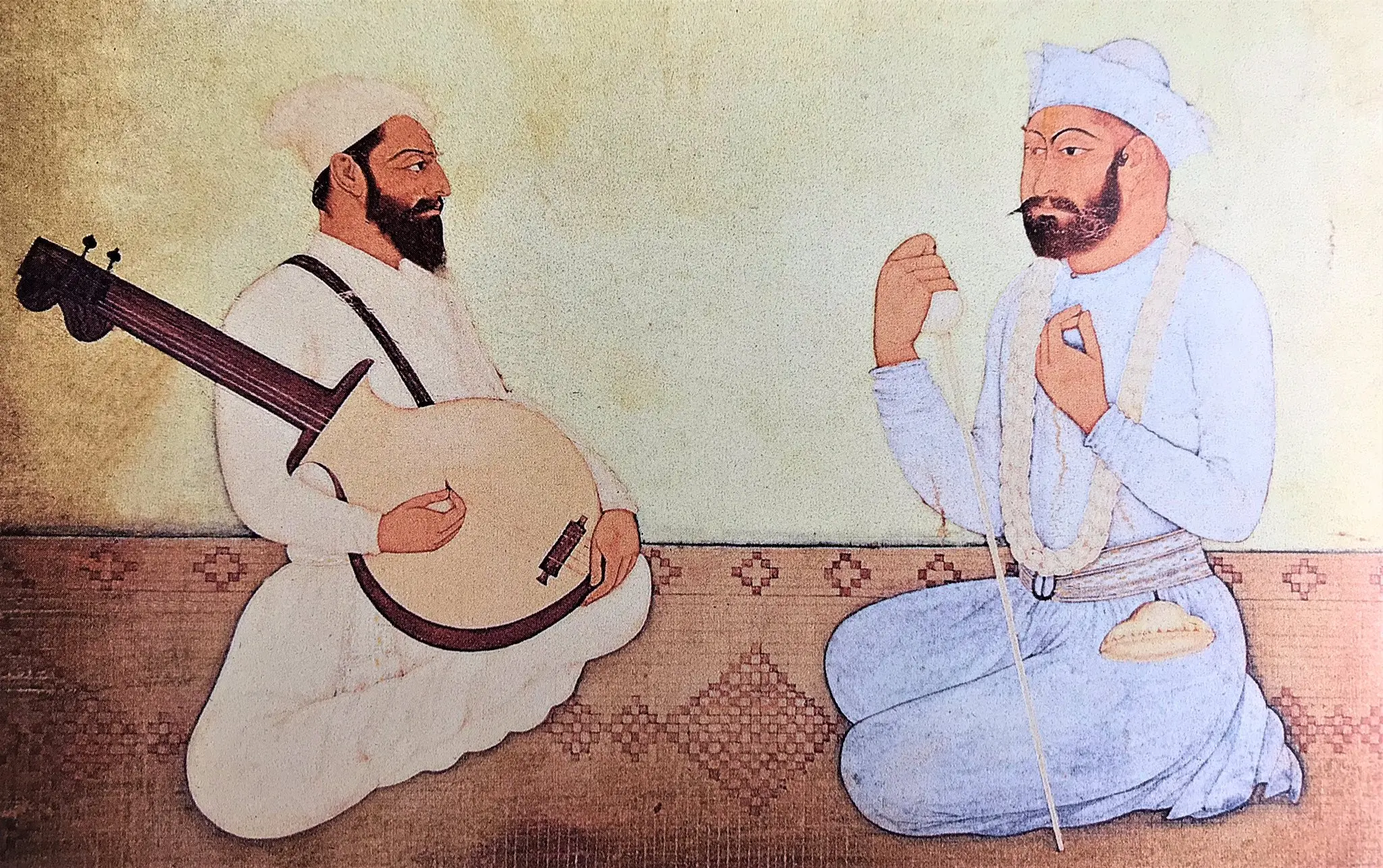
Bhai Mardana was born at Talwandi into a Muslim mirasi family and became Guru Nanak's beloved companion and musician. Sikh historical tradition remembers them traveling together, with Mardana's rabab accompanying the singing of sacred verse. The Shiromani Gurdwara Parbandhak Committee describes him as Guru Nanak's closest associate and dearest disciple.
The power of their companionship lies in what it does not require. Mardana's Muslim background is not erased; Nanak's teaching is not diminished. Music, travel, spiritual searching, hunger, danger, humor, and devotion become a shared road.
“The One Lord permeates the entire universe.”Guru Nanak · Sri Guru Granth Sahib, Ang 930
A Scripture That Remembers Many Voices
The Guru Granth Sahib contains the compositions of the Sikh Gurus and also preserves voices from beyond the Sikh community. Among them are the verses of Sheikh Farid, a Muslim Sufi associated with the Punjabi spiritual landscape, and Bhagat Kabir, whose language crosses inherited religious boundaries.
One of the scripture's most beloved declarations of human equality begins with the name Allah. It is often casually attributed to Guru Nanak, but historical and scriptural accuracy matters: the verse is by Bhagat Kabir and is enshrined in the Guru Granth Sahib.
ਅਵਲਿ ਅਲਹ ਨੂਰੁ ਉਪਾਇਆ“First, Allah created the Light… From the One Light, the entire universe welled up.”Bhagat Kabir · Sri Guru Granth Sahib, Ang 1349
The Sacred Geography of Pakistan
Nankana Sahib, Kartarpur, Panja Sahib, Dera Sahib, and other historic gurdwaras make present-day Pakistan inseparable from the Sikh sacred imagination.
Kartarpur: Work, Worship & Welcome
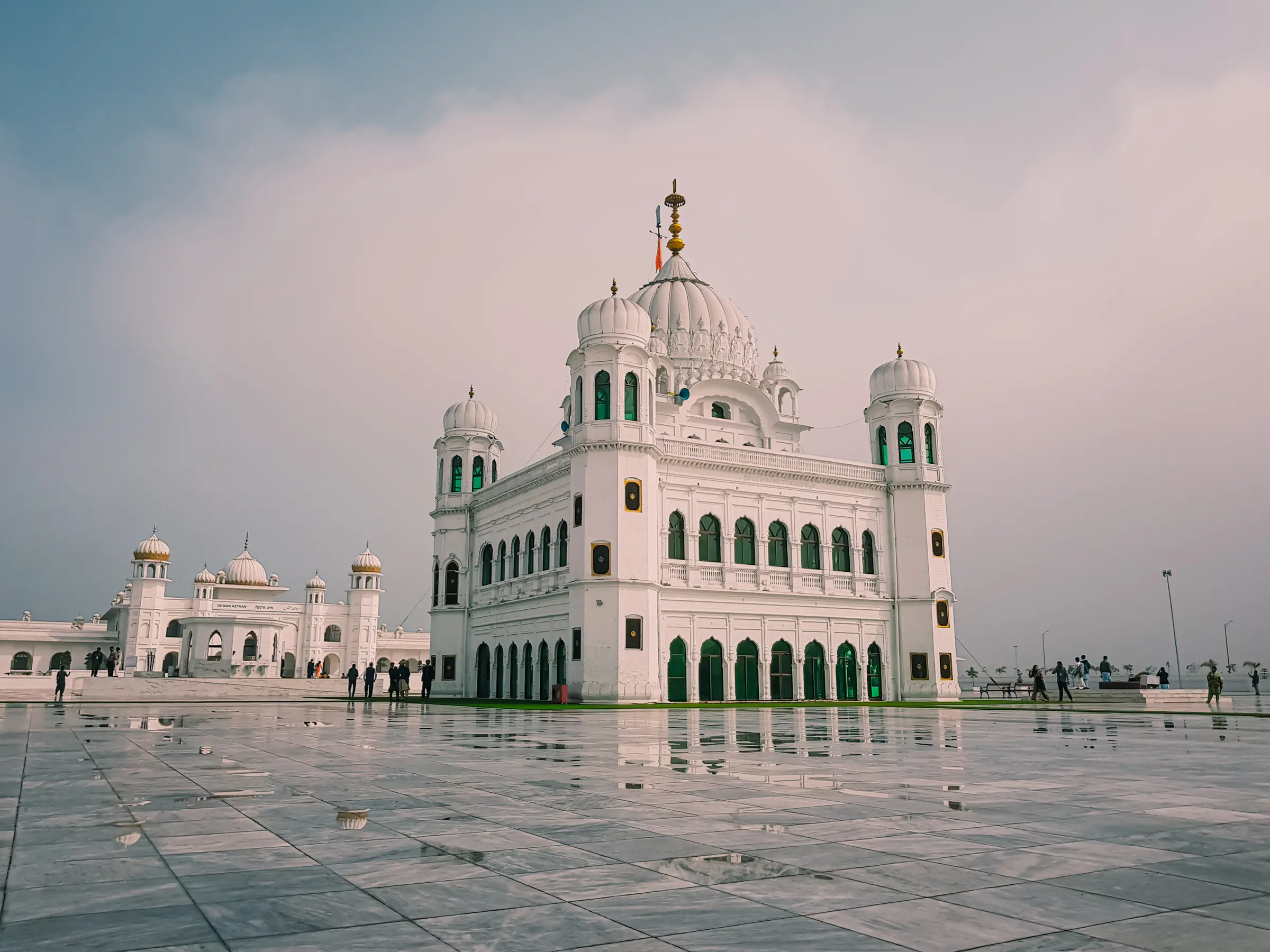
At Kartarpur, Guru Nanak's teachings took communal form. The principles later summarized as Naam Japo (remember the Divine), Kirat Karo (earn through honest work), and Vand Chhako (share what one has) joined inward devotion to social responsibility.
The community kitchen, or langar, expresses radical hospitality in practice: people sit together and eat without hierarchy of caste, wealth, or status. For interfaith work today, langar offers more than an inspiring image. It asks whether our institutions can make equality tangible—at the same table, through shared labor, with dignity.
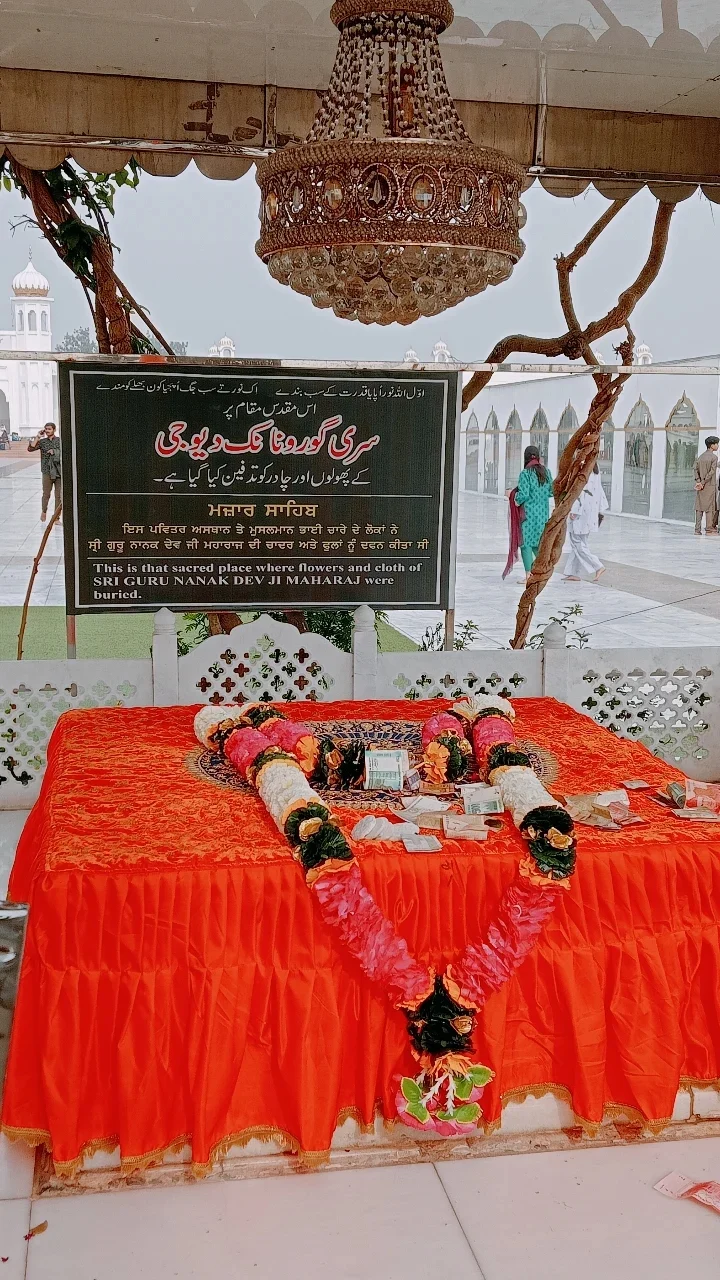
Pakistan's Ministry of Religious Affairs describes Kartarpur as the place where Guru Nanak spent the final eighteen years of his life. The government-administered corridor, opened in 2019, permits visa-free same-day pilgrimage from India under a bilateral agreement. Whatever the political tensions around it, the human meaning is unmistakable: generations who could see a shrine across a border were finally able to walk toward it.
Seven Chapters
Guru Nanak was born at Rai Bhoi Ki Talwandi—today Nankana Sahib in Punjab, Pakistan. For Sikhs across the world, this land is not distant geography; it is the beginning of a sacred story.
Bhai Mardana, born into a Muslim family and remembered as Guru Nanak’s closest companion and rabab player, traveled beside him. Their companionship remains one of South Asia’s most enduring images of spiritual friendship.
The Guru Granth Sahib preserves the revealed compositions of the Sikh Gurus alongside the voices of bhagats from different social and religious backgrounds, including the Muslim Sufi Sheikh Farid and Bhagat Kabir’s language of Allah and divine light.
Guru Nanak established a community at Kartarpur centered on remembrance of God, honest work, and sharing. He lived there for approximately eighteen years, and the site became a sacred home of practice and memory.
Partition brought migration, violence, grief, and a border between millions of Sikhs and many of their holiest places. Love for the sacred geography of Punjab survived the rupture.
The visa-free corridor created a direct path for pilgrims from India to Gurdwara Darbar Sahib Kartarpur in Pakistan—a practical opening and an international symbol of peace, longing, and possibility.
In America, leaders such as Dr. Jasdip Singh Jesse and Dr. Sajid Tarar are translating inherited history into living civic brotherhood, shared service, and interfaith leadership.
Memory With Honesty
Partition in 1947 brought catastrophic violence and displacement to Punjab. Sikh, Muslim, and Hindu families all carry memories of homes left behind and loved ones lost. A responsible interfaith history cannot turn that suffering into a footnote or use it to assign inherited guilt.
Reconciliation begins by allowing grief to be spoken without turning grief into permanent hatred. It protects sacred sites, welcomes pilgrims, preserves archives, records oral histories, and teaches younger generations that memory can become a warning rather than a weapon.
The Living Bridge
Today, this long history enters American civic life through a friendship that is personal before it is programmatic. Dr. Jesse and Dr. Tarar are business partners, institutional partners, and brothers by choice. One leads Sikhs of America; the other founded Muslims of America. Each has opened his community to the other.
Their model does not romanticize the past. It puts responsibility on the present. It asks Sikh and Muslim leaders to oppose hatred together, create opportunities together, serve neighbors together, and make room for one another in the national story.
Meet Dr. Jesse →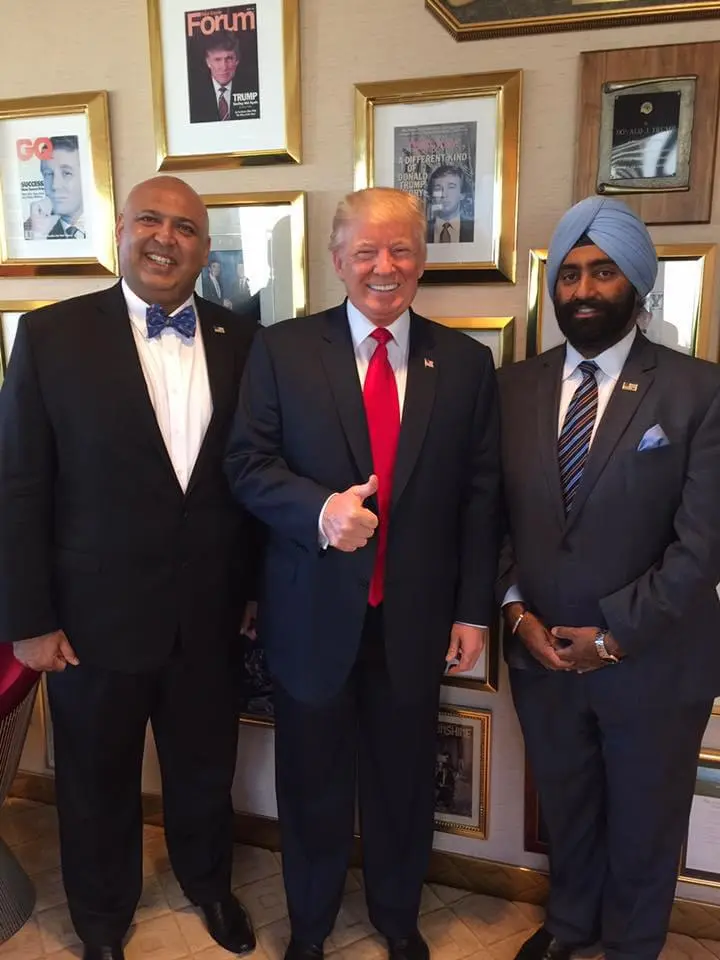
Sources & Further Reading